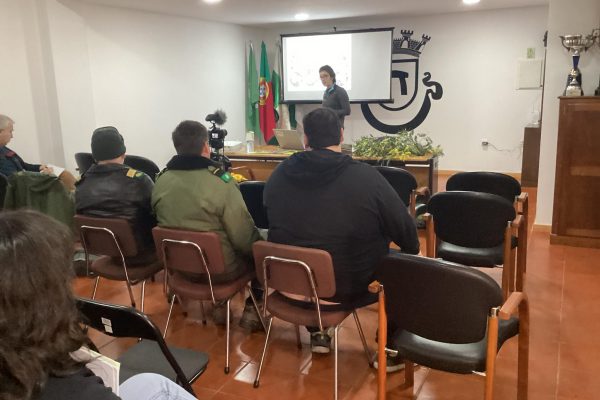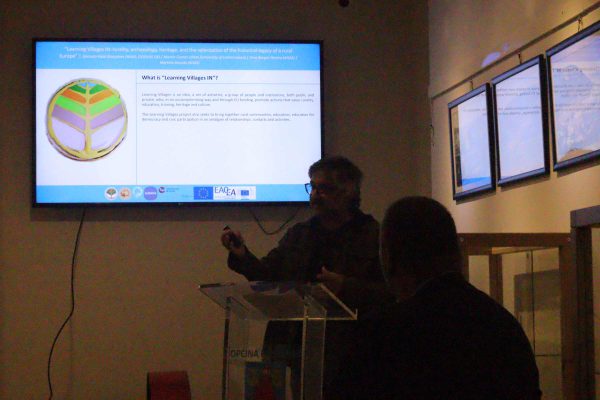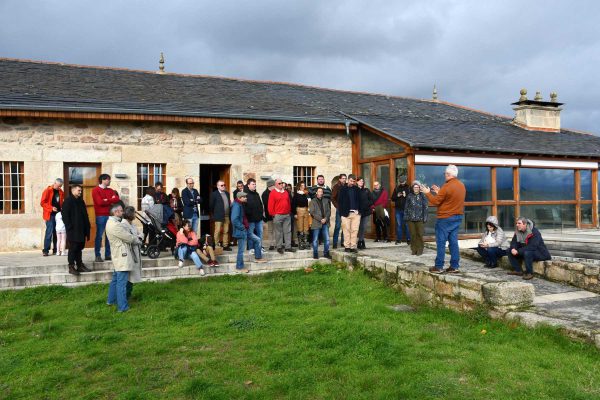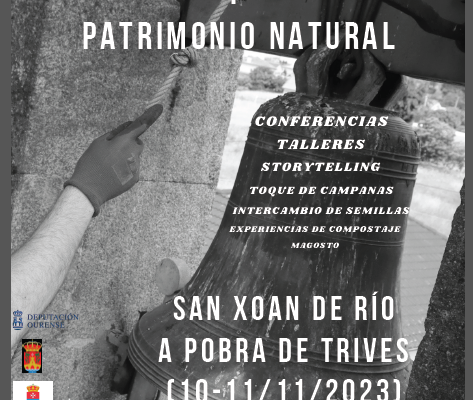

International Conference in Cultural Heritage & Natural Heritage | LVIN#C Project | San Xoan de Rio & A Pobra de Trives | 10 e 11 de Novembro de 2023

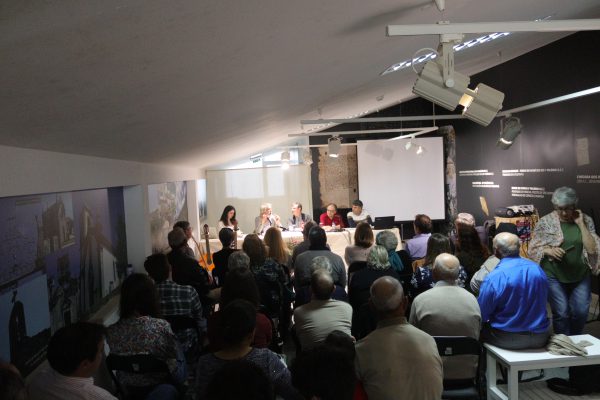
PROGRAM FRIDAY, 10/11/2023 | CASA DA CULTURA DE A POBRA DE TRIVES BELLS 17:00 | Opening Session Presentation of the International Learning Villages Network, the lvin-c project, and the International Congress. 17:30 | Sources for Heritage Education and the Interpretation of the Cultural Heritage of Bells Martín Gómez-Ullate, Pilar Barrios Manzano, Javier Barra Sanz |…

Read More

Learning Villages Activities

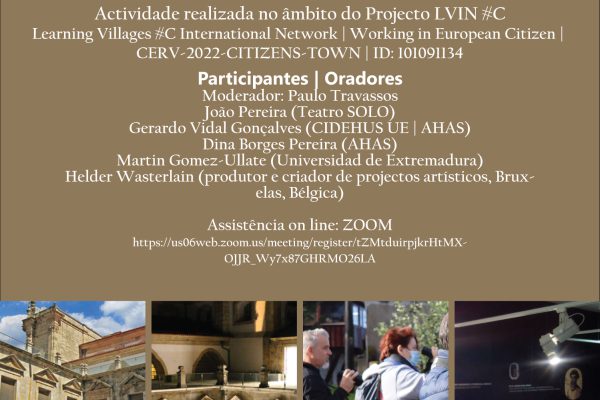
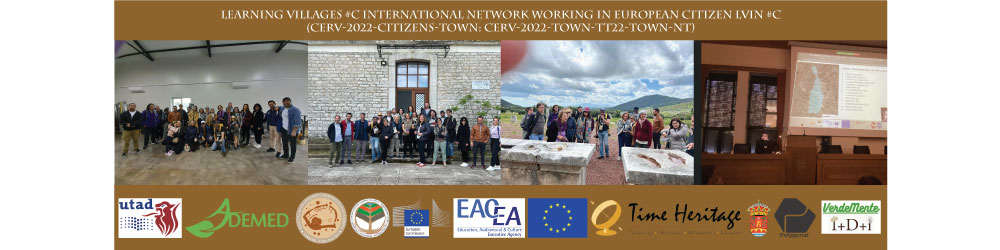
The LVIN #C project, Learning Villages International Network, of the CERV programme (CERV-2022-CITIZENS-TOWN: CERV-2022-TOWN-TT22-TOWN-NT), counts on the participation of very important partners. The project stands out for its focus on citizenship, heritage education and rural and democratic societies. The Team is made up of various public entities, villages, associations, NGOs, groups and companies dedicated Above…

Read More

Partnets in the project

The LVIN #C project, coordinated by AHAS, in representation of the Municipality of Sabrosa, a Learning Village, counts, in consortium, with the important participation and collaboration of the following institutions: Time Heritage (Greece) ADEMED (Rumania) Verdemente (Spain) Municipality of Cori (Italy) Municipality of Meteora (Greece) University of Extremadura UTAD (Portugal) Ruralidade Verde (Portugal) Municipality of…

Read More

LVIN #C Learning Villages in the study, valorization and preservation of heritage: the “Sword of Mouruás”, in San Xoán de Río, province of Orense, Spain.

The LVIN #C Project and its partners undertook yet another initiative to bring cultural heritage, local communities and rural areas, villages and learning villages closer together. A team of archaeologists from AHAS (www.ahas.pt) went to the Ourense Museum, on May 30, 2023, to carry out a digital inventory (multidimensional scanning) of an archaeological artefact from…

Read More

LVIN #C Event/Convening “intervention music, protest songs … Portugal & Spain”

The so-called “Revolutionary Period” in Portugal, in the context of the end of the dictatorship, the end of the so-called “Estado Novo”, liberated not only society and the country from physical oppression but also from literary, philosophical, musical, social, religious and economic oppression. In fact, things went well and some went less well, naturally due…

Read More